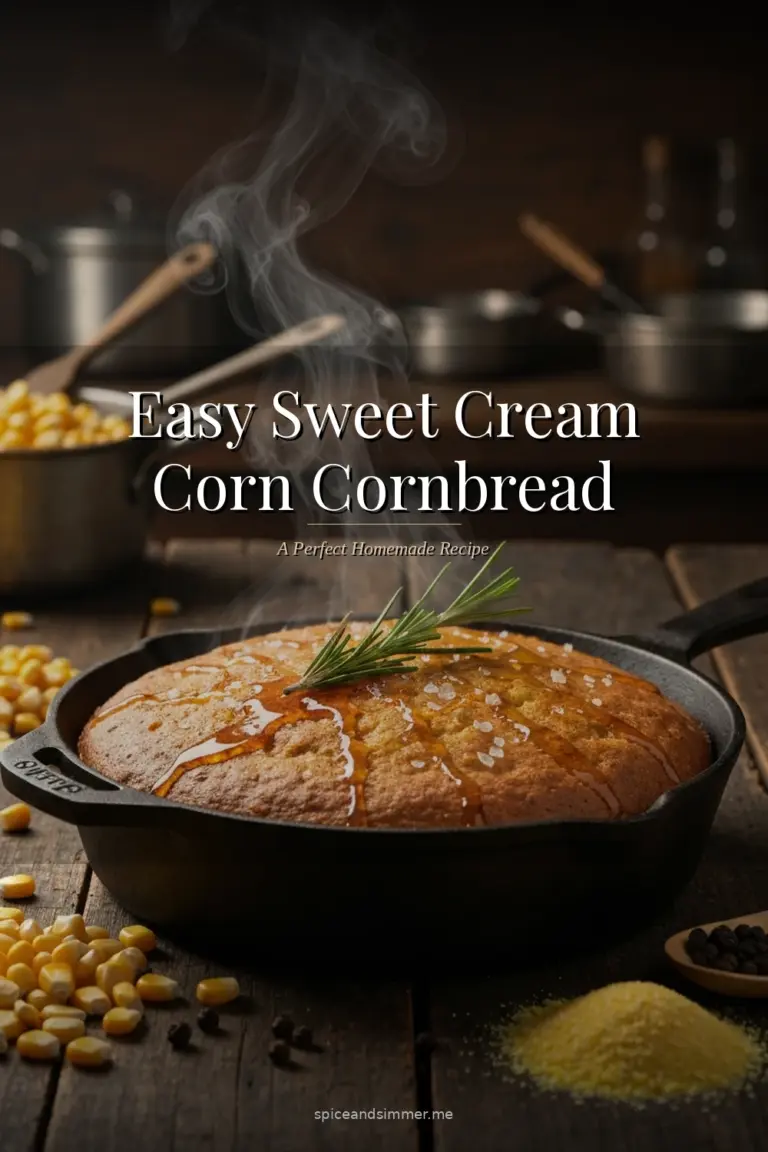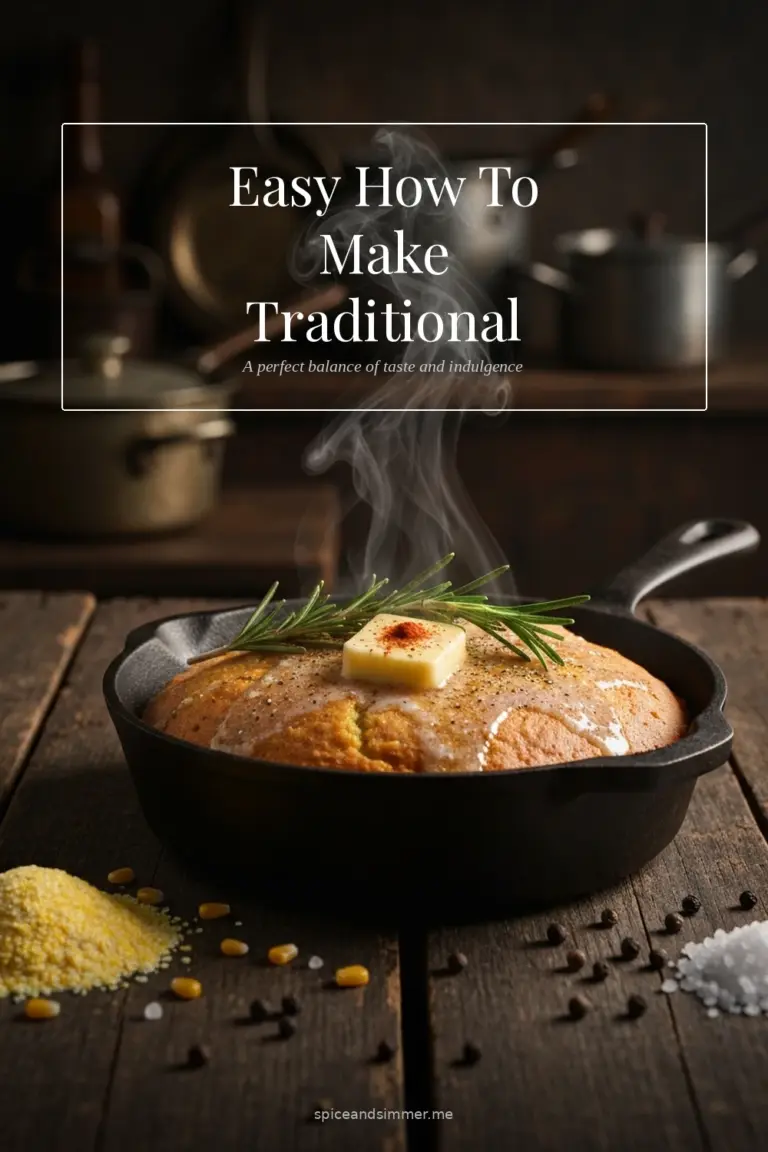
How To Make Traditional Southern Cornbread Recipe No Sugar? This authentic staple delivers a deeply savory flavor and a legendary golden crust that defines true Southern comfort food. Learning how to make traditional southern cornbread recipe no sugar provides a nutritious and versatile bread that complements any hearty meal. You will master the art of the preheated skillet and the perfect buttermilk balance in this comprehensive guide. Prepare your taste buds for a texture that is both crumbly and moist.
How To Make Traditional Southern Cornbread Recipe No Sugar
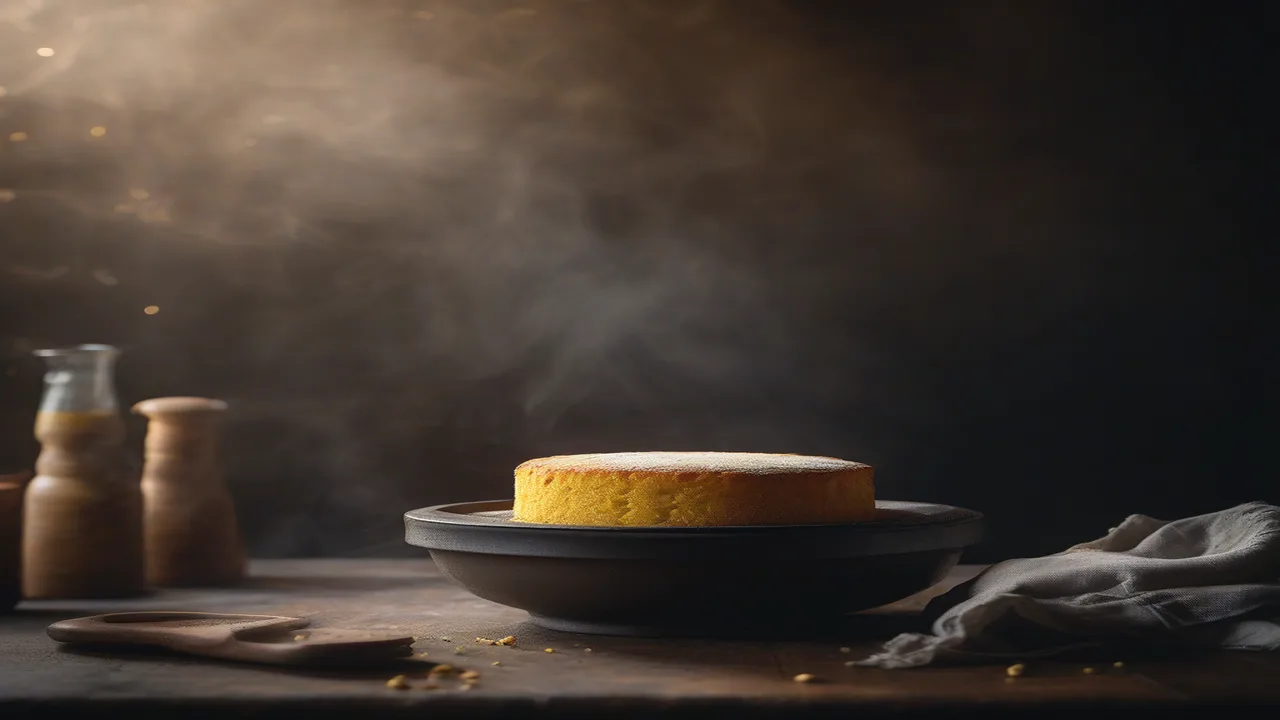
Creating this classic dish involves mastering the relationship between high heat and simple, high-quality ingredients. This recipe honors the long-standing tradition of savory bread that relies on the natural sweetness of the corn itself.
Why You’ll Love This Recipe
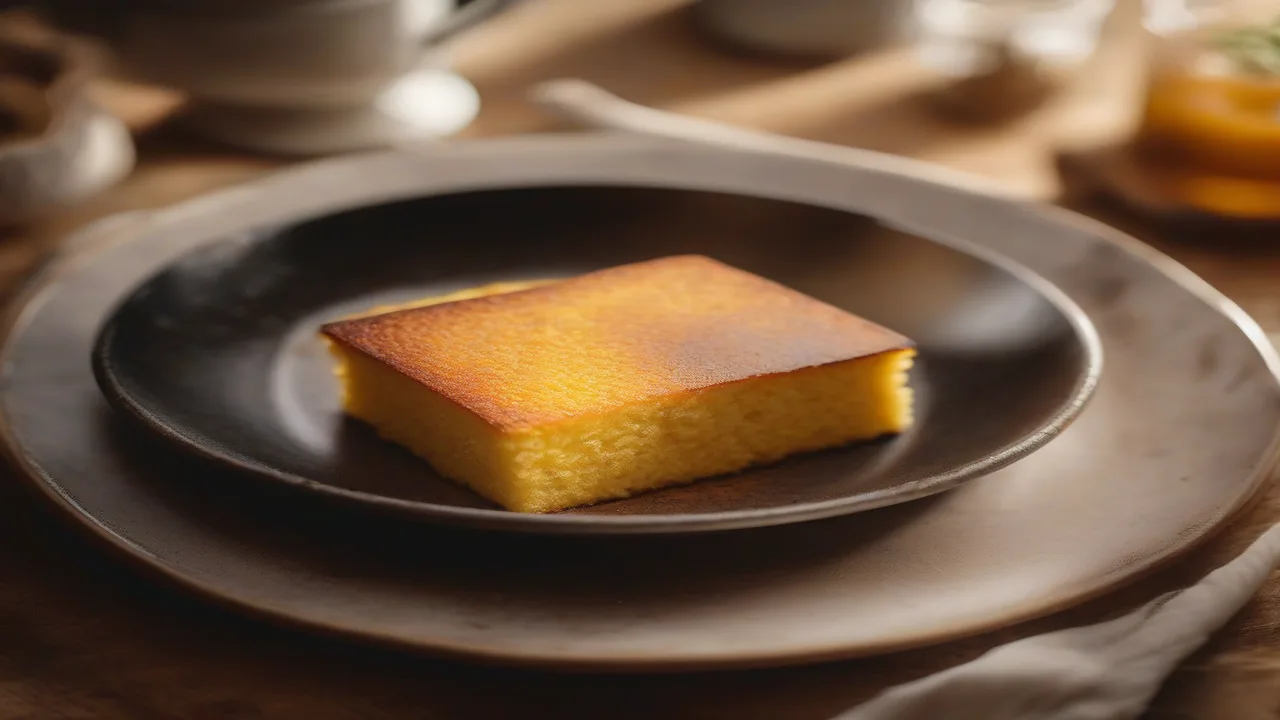
Home cooks appreciate this version because it stays true to the historical roots of Appalachian and Deep South coastal cooking. Furthermore, the absence of sugar allows the complex flavors of the grain and the tang of the buttermilk to shine through.
- Fast Preparation: You can whisk the entire batter together in less than ten minutes.
- Beginner Friendly: This straightforward method requires no special equipment other than a reliable skillet.
- Versatile Use: It serves as the perfect base for dressing or a side for spicy chili.
- Short Cook Time: The bread bakes to golden perfection in exactly twenty-five minutes.
- Healthy Ingredients: This recipe uses whole grain cornmeal and protein-rich buttermilk for a satisfying bite.
Health Benefits
This savory bread offers more than just great taste; it provides essential nutrients that fuel your body throughout the day. Additionally, removing the sugar makes it a much better option for those monitoring their glycemic index.
- High Fiber: Cornmeal provides significant dietary fiber which supports healthy digestion and long-term satiety.
- Vitamin B6: This essential nutrient aids in brain development and keeps the nervous system functioning optimally.
- High Protein: The combination of eggs and buttermilk delivers a solid protein boost for muscle repair.
- Iron Content: This mineral supports healthy blood flow and maintains energy levels during busy afternoons.
Ingredients
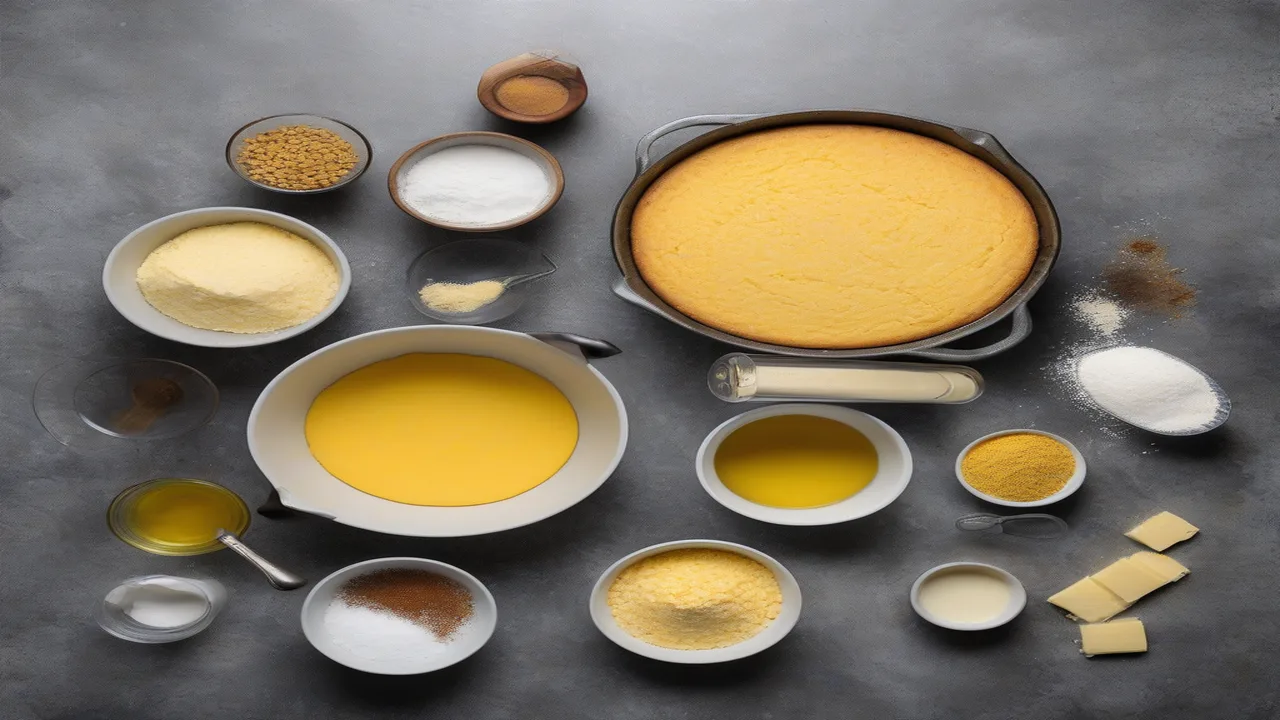
Gather these pantry staples and fresh dairy items to ensure your cornbread has the most authentic flavor profile possible. Specifically, seek out stone-ground cornmeal for the best texture and nutritional value.
- 2 cups yellow or white cornmeal (stone-ground preferred)
- 1 teaspoon kosher salt
- 1 tablespoon baking powder
- 1/2 teaspoon baking soda
- 1 1/2 cups full-fat buttermilk
- 1 large egg, room temperature
- 3 tablespoons bacon drippings or unsalted butter
- 1 tablespoon vegetable oil (for the skillet)
For the Seasoned Skillet
The secret to the iconic Southern crust lies in how you prepare the pan before the batter ever touches it. Consequently, these fats provide both non-stick properties and a deep, smoky aroma.
- 1 tablespoon extra bacon grease
- 1/2 teaspoon coarse sea salt
How to Make How To Make Traditional Southern Cornbread Recipe No Sugar
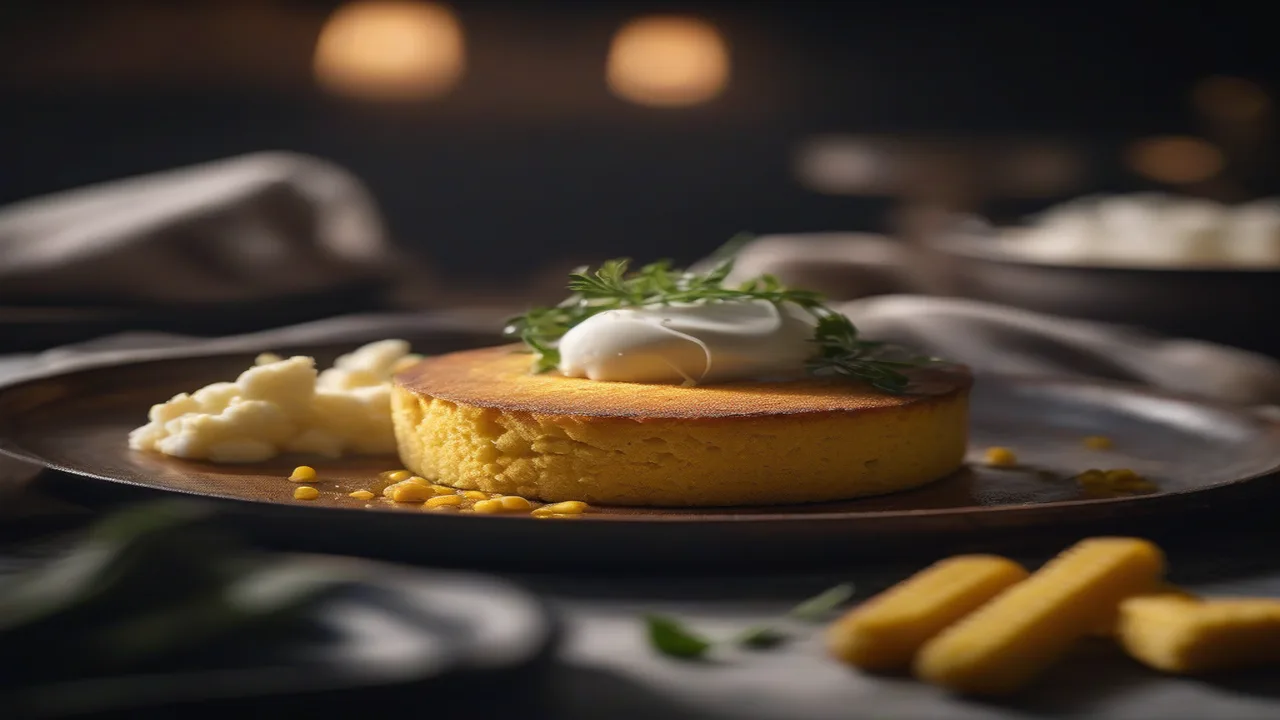
Follow these precise stages to achieve the legendary “sizzle” that creates a thick, crunchy bottom crust. Moreover, paying attention to the temperature of your ingredients will ensure a consistent rise every time.
Step 1: Preparation
Begin by organizing your workspace and ensuring your oven reaches the correct temperature for a rapid bake. This initial phase is crucial for understanding how to make traditional southern cornbread recipe no sugar successfully.
- Place a 9-inch or 10-inch cast iron skillet inside the oven immediately.
- Preheat your oven to 425°F with the skillet inside to get it screaming hot.
- Measure your cornmeal, salt, baking powder, and baking soda into a large mixing bowl.
- Whisk the dry ingredients thoroughly to remove any large clumps of meal.
- Crack the egg into a separate small bowl and beat it lightly with a fork.
- Pour the buttermilk into the egg and stir until the mixture is completely uniform.
- Melt the bacon drippings or butter in the microwave or on the stovetop.
- Set the melted fat aside to cool slightly so it does not scramble the eggs.
Step 2: Cooking
The magic happens when the cold batter meets the hot fat in the preheated pan. Watch for the edges to start bubbling immediately, which indicates you are learning how to make traditional southern cornbread recipe no sugar correctly.
- Create a well in the center of your dry ingredients using a large spoon.
- Pour the buttermilk and egg mixture into the center of the cornmeal well.
- Add the melted bacon drippings or butter to the liquid ingredients.
- Stir the mixture quickly until just combined, being careful not to overmix the batter.
- Carefully remove the hot skillet from the oven using a thick oven mitt.
- Add the tablespoon of oil or extra bacon grease to the hot skillet.
- Swirl the fat around to coat the bottom and sides of the pan completely.
- Pour the batter into the center of the skillet, listening for that characteristic loud sizzle.
- Spread the batter to the edges using a spatula if it does not flow naturally.
Step 3: Final Touches
The baking process is relatively quick, so keep a close eye on the color of the top crust. These final steps transform the raw batter into a restaurant-quality masterpiece with a nutty fragrance.
- Slide the skillet back onto the center rack of the preheated oven.
- Bake for 20 to 25 minutes until the top is a deep golden brown.
- Insert a toothpick into the center to ensure it comes out clean and dry.
- Remove the skillet from the oven and let it rest for five minutes.
- Run a knife around the edge to loosen the bread from the cast iron.
- Invert the cornbread onto a cutting board or serve it directly from the skillet.
Pro Tips
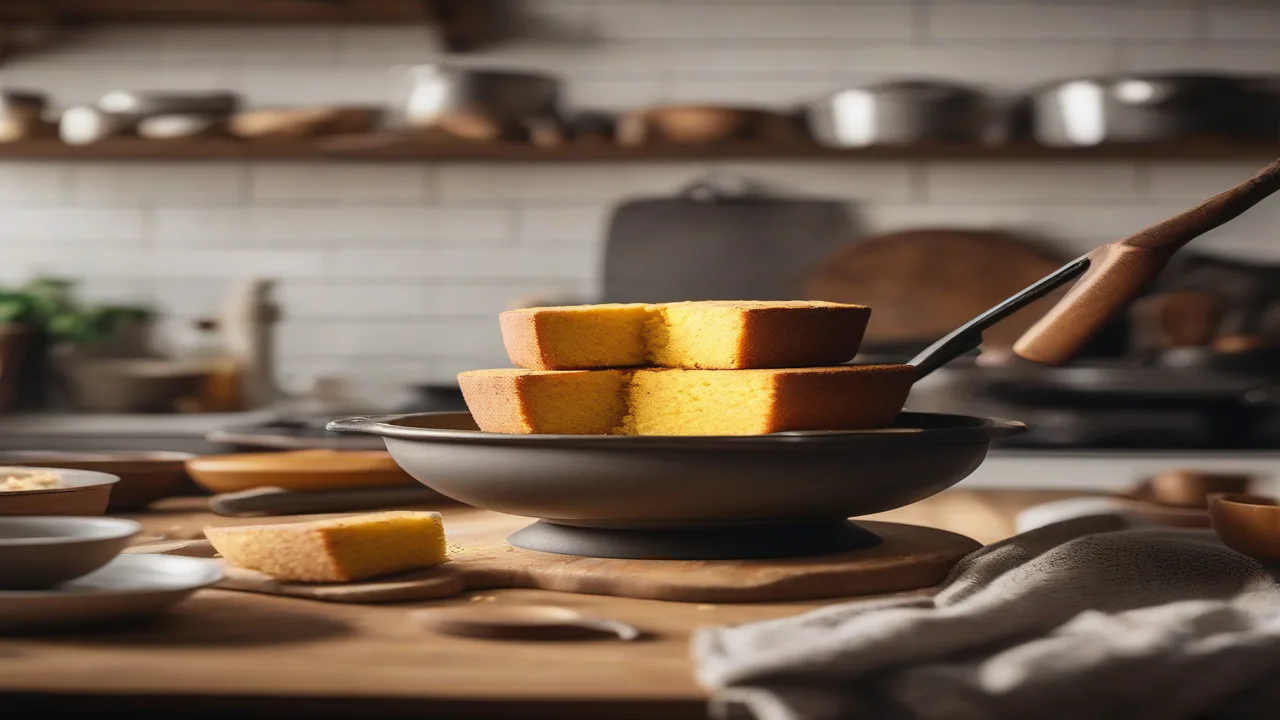
Small adjustments in your technique can elevate a simple bread into a legendary family heirloom recipe. Indeed, the details matter when you are aiming for that perfect balance of crunch and tenderness.
Tips for Perfect Results
Keep these professional secrets in mind every time you pull out your cast iron skillet for a bake. Furthermore, consistency in your measurements will yield the best results week after week.
- Hot Skillet: Never skip preheating the pan, as this is what creates the famous crispy crust.
- Fresh Buttermilk: Use real, cultured buttermilk rather than a milk-and-lemon substitute for the best rise.
- Room Temperature: Ensure your egg is not cold to prevent the melted fat from solidifying in the batter.
- Stone-Ground Meal: This type of meal offers a grittier, more authentic texture than highly processed versions.
Common Mistakes to Avoid
Even experienced Southern cooks can run into trouble if they rush the process or ignore the cues of the batter. Consequently, avoiding these errors will save your dinner from being dry or flavorless.
- Overmixing: Stirring the batter too much develops gluten and results in a tough, rubbery texture.
- Cold Pan: Pouring batter into a cold skillet leads to a pale, soggy bottom that sticks to the metal.
- Old Leavening: Using expired baking powder will prevent the bread from rising, leaving you with a dense brick.
Variations
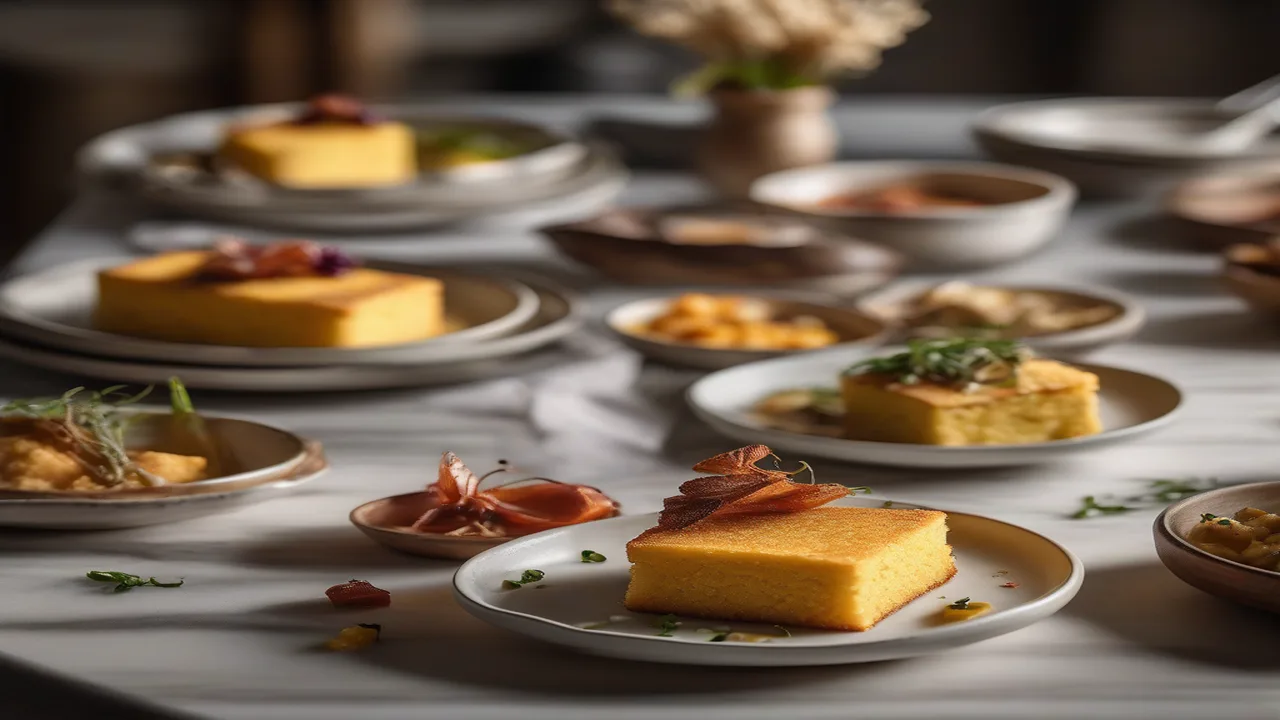
This recipe adapts easily to your personal preferences or whatever you happen to have in your pantry. For instance, you can fold in one cup of sharp cheddar cheese for a gooey, salty twist that children love. Additionally, adding two tablespoons of chopped fresh jalapeños provides a spicy kick that pairs perfectly with beef stew.
If you prefer a slightly different texture or want to compare methods, try our Best Moist Homemade Cornbread Recipe Cast Iron Skillet for another delicious meal. Some cooks enjoy adding a handful of cracklings to the batter for an extra-rich and traditional pork flavor. Moreover, you can swap the bacon grease for coconut oil if you prefer a vegetarian version with a subtle nutty undertone.
What to Serve With How To Make Traditional Southern Cornbread Recipe No Sugar
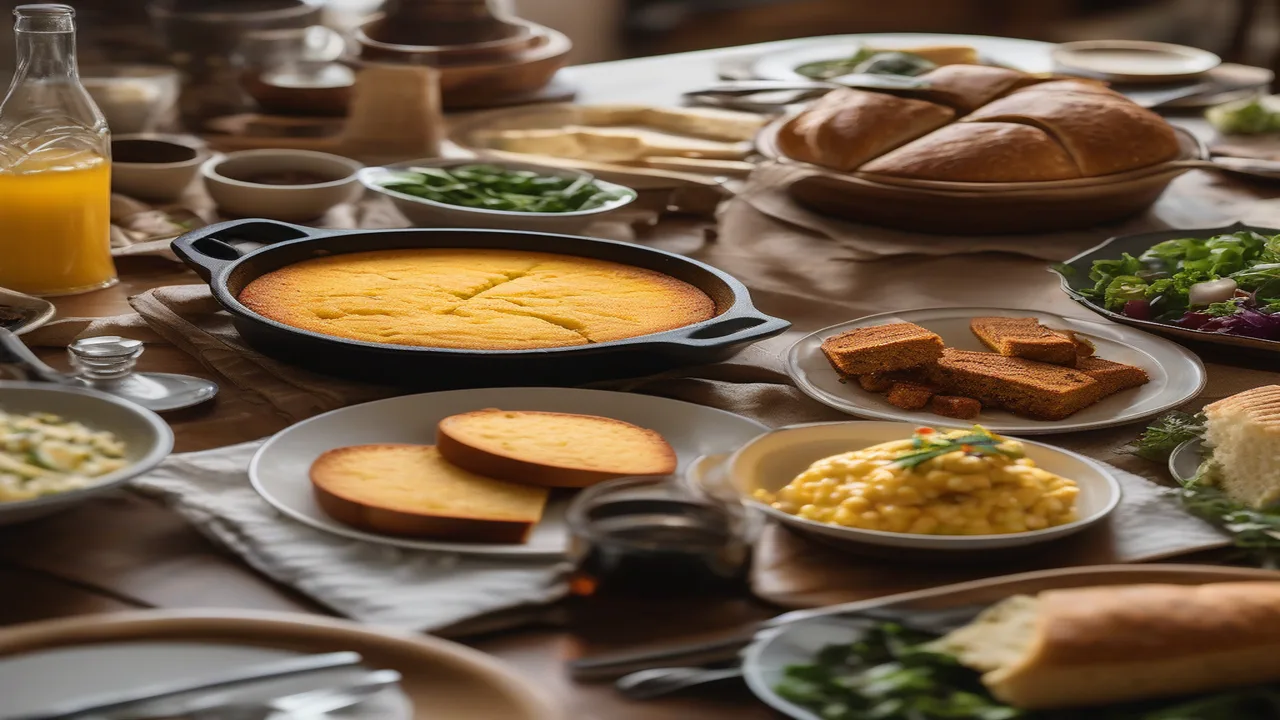
These pairings complement the bold, corn-forward flavors of the bread while providing a balanced meal. Specifically, the savory nature of the bread acts as a sponge for delicious pot liquors and gravies.
- Slow-Cooked Pinto Beans: The creamy beans and salty ham hocks are the ultimate companion for a dry wedge.
- Collard Greens: Use the cornbread to soak up the flavorful vinegar-based liquid at the bottom of the bowl.
- Texas-Style Chili: The lack of sugar in the bread balances the heat and spices of a thick beef chili.
- Fried Catfish: This classic Southern duo offers a variety of textures from crunchy to flaky.
- Roasted Chicken: A simple herb-roasted bird benefits from the rustic, earthy side of golden cornmeal.
Storage and Reheating
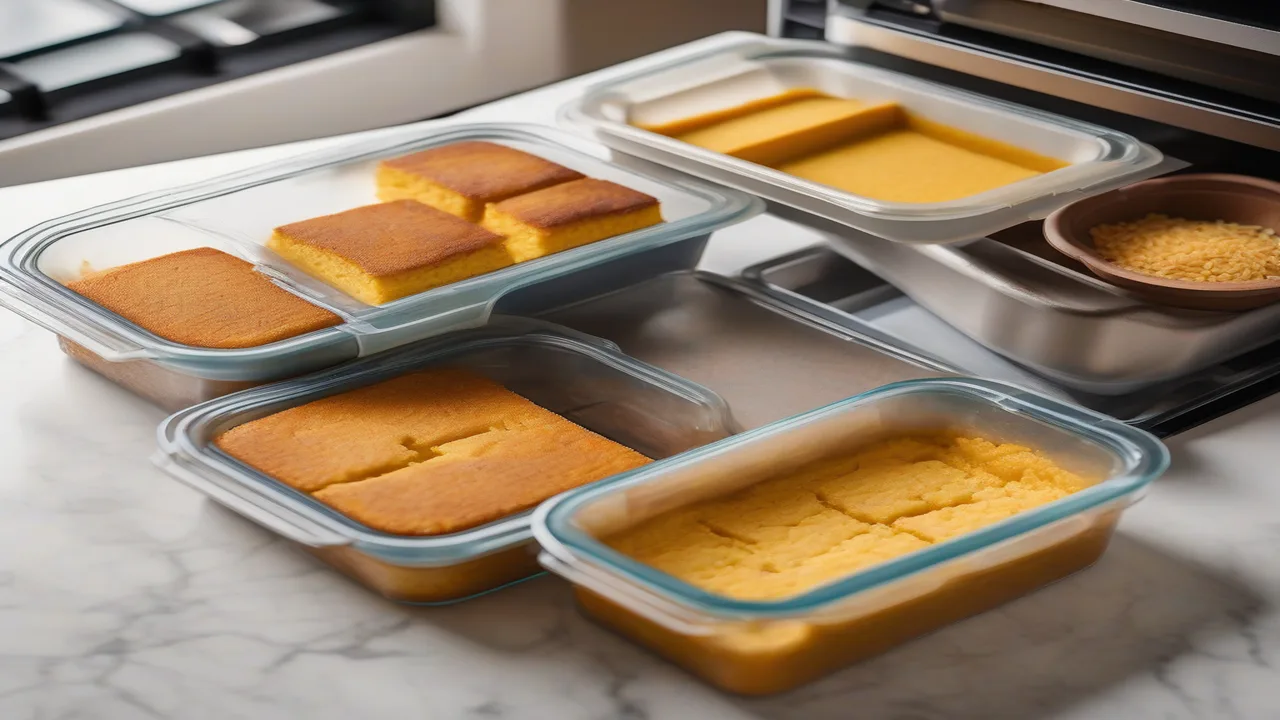
Proper storage keeps this dish fresh and prevents the cornmeal from becoming overly dry or crumbly over time. Furthermore, knowing how to revive the crust is essential for enjoying leftovers the next day.
How to Store
An airtight container or a tightly wrapped layer of aluminum foil is all you need for short-term storage. You should keep the cornbread at room temperature for up to two days to maintain the best texture. If you need to keep it longer, place it in the refrigerator for up to five days. For long-term storage, wrap individual wedges in plastic wrap and freeze them in a heavy-duty freezer bag for three months. Consequently, you can have a quick side dish ready whenever the craving strikes.
How to Reheat
Low and slow reheating preserves the delicate crumb better than high-intensity heat which can cause toughness. To reheat in the oven, wrap a wedge in foil and bake at 350°F for about ten minutes. This method helps the interior stay moist while the edges regain some of their original crispness. Alternatively, you can split a piece in half and toast it in a skillet with a little butter. Avoid the microwave if possible, as it often makes the cornmeal rubbery and damp.
Frequently Asked Questions
Here are the most common questions readers ask about mastering this traditional savory side dish.
Can I substitute the buttermilk with something else?
Answer: You can use a mixture of plain yogurt and milk if you are in a pinch. However, the authentic tang and chemical reaction with the baking soda are best achieved with real buttermilk.
How long does how to make traditional southern cornbread recipe no sugar last in the fridge?
Answer: It will stay fresh for approximately five days when stored in an airtight container. Make sure to let it cool completely before sealing it to prevent condensation from making the crust soggy.
What if I do not have a cast iron skillet?
Answer: You can use a heavy stainless steel oven-safe pan or a glass baking dish. Note that the crust will not be as thick or crispy as it would be in seasoned cast iron.
Is this how to make traditional southern cornbread recipe no sugar recipe vegan and gluten-free?
Answer: This specific recipe is not vegan due to the eggs and buttermilk, and cornmeal is naturally gluten-free but often processed in facilities with wheat. Always check your labels to ensure your cornmeal is certified gluten-free if you have a sensitivity.
How do I prevent the cornbread from being too dry?
Answer: Ensure you do not overbake the bread, as even five extra minutes can pull too much moisture out. Additionally, using full-fat buttermilk provides the necessary fats to keep the crumb tender and moist.
Watch How To Make Traditional Southern Cornbread Recipe No Sugar On YouTube
Follow along with this video tutorial to see every step of making how to make traditional southern cornbread recipe no sugar in action.
Final Thoughts
Mastering this savory bread will transform your weeknight dinners into authentic Southern feasts. The combination of a sizzling skillet and simple ingredients creates a flavor profile that sugar-filled boxes simply cannot replicate. I encourage you to try this method and see the difference that tradition makes in your kitchen. Do not forget to share this post on Pinterest to save it for your next dinner!